On September 18, the city of Louga, in northern Senegal, hosted the workshop “Agroecology and Senegalese Products”
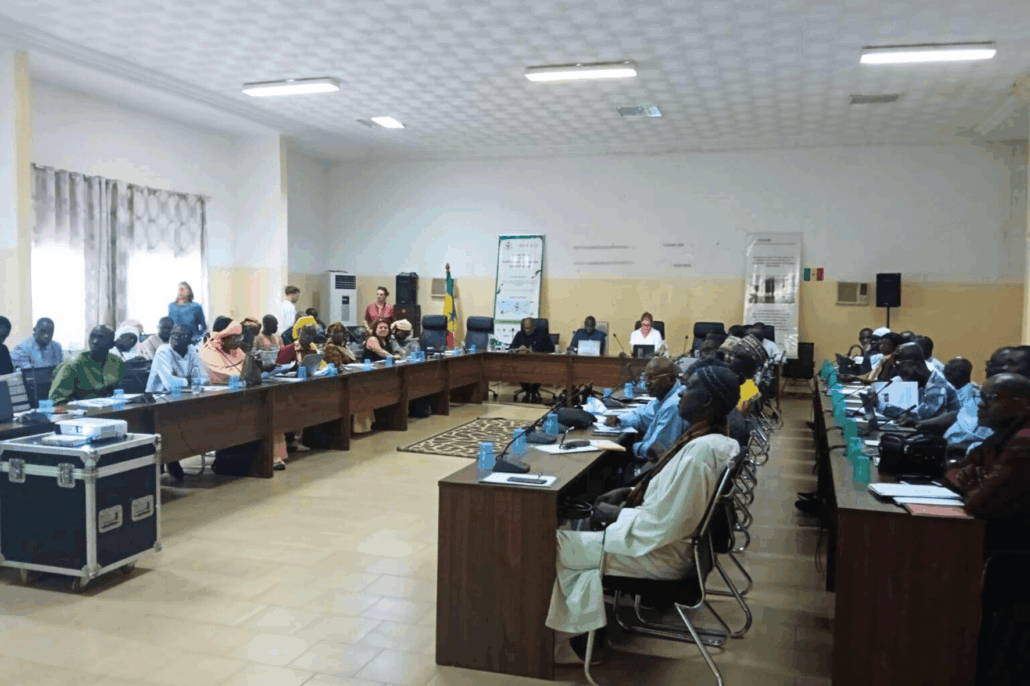
On September 18, the city of Louga, in northern Senegal, hosted the workshop “Agroecology and Senegalese Products” organized as part of the activities of Azione TerrAE – Coalition for Agroecological Transition and the PRO-VIVES project – Program for the Promotion of Green and Social Enterprises for Innovation, Growth, and Employment (funded by the Italian Agency for Development Cooperation). The meeting, chaired by a representative of the Ministry of Social and Solidarity Economy and Microfinance, marked an important moment of assessment and reflection on the results achieved and the future prospects of agroecology in the country.
Among the many significant moments, the workshop provided an opportunity to present the work of Azione TerrAE and, in particular, how a shared vision and an integrated approach enable the Coalition to work on research, coordination, advocacy, and training, with the goal of promoting agroecology principles within international cooperation.
Noteworthy was the presentation by Letizia Molinari, researcher and fellow of the Azione TerrAE project in Senegal, who illustrated the application in Senegal of the OASIS methodology (Original System of Indicators for Agroecological Assessment), developed by Agroecology Europe. This evaluation tool measures the level of agroecological transition of a farm through five dimensions – agricultural practices, economic viability, socio-political aspects, environment and biodiversity, resilience – structured into fifteen themes and fifty-six criteria. The research, conducted between July and August 2025 on seven farms located in Saint-Louis, Dakar, Thiès, and Casamance, will continue in the coming months with further field investigations and a synthesis of results, aimed at opening new reflections and guiding sector policies.
The workshop also showcased the experience of “experimental fields” implemented by the Italian company GREEN HAS ITALIA as part of the project. Specializing in the production and marketing of plant nutrition solutions, the company provided its innovative biostimulants, derived from natural extracts and compatible with organic farming: a concrete example of how research and innovation can contribute to more sustainable agriculture.
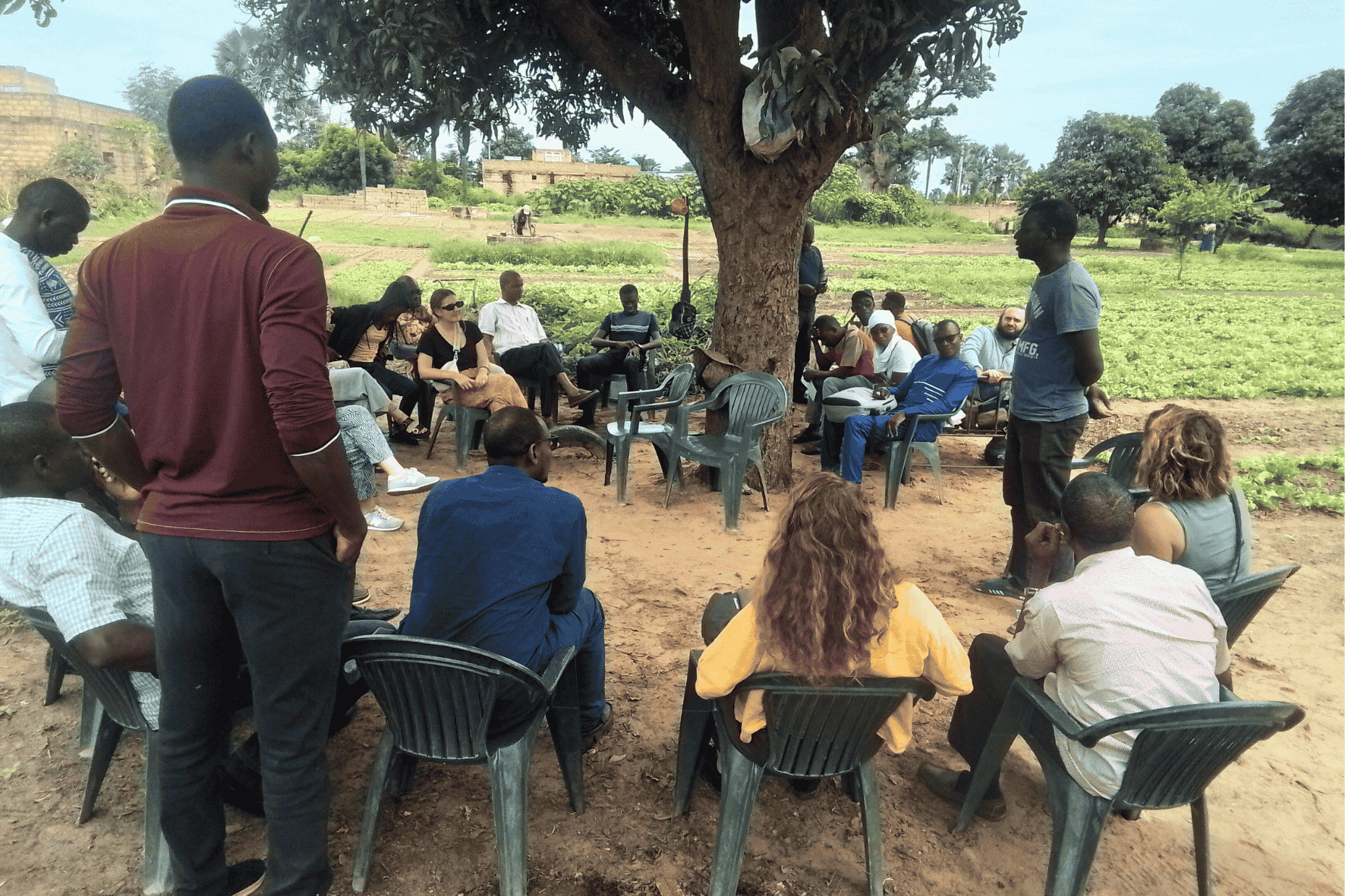
The products were tested on farms in the Louga area, and the results, presented by local partner FAPAL, highlighted significant benefits for tomatoes and citrus fruits, both in terms of productivity and quality, as well as plant vigor. The experience therefore confirms the importance of biostimulants as tools to strengthen crop resilience and improve yields, provided they are applied correctly and accompanied by adequate technical training in the field
The day concluded with an open debate on the state of agroecology in Senegal: the progress of recent years was acknowledged by all participants, as was the need to further strengthen support for local actors, consolidate agricultural value chains, and ensure the durability of results. The Louga workshop thus represented a valuable opportunity to share experiences, highlight achievements, and reinforce synergies between projects and organizations that, together, are helping to pave the way toward a fairer and more sustainable future for Senegalese rural communities.
(The full version of this article was originally published on LVIA’s website, here)